Introduction: Navigating the European Mobile Buyback Landscape
The market for used mobile phones across Europe is dynamic and ever-evolving. As technology advances and new models are released, millions of devices find their way to recyclers and refurbishers annually. If you're looking to sell your old iPhone, Samsung, or other smartphone, understanding the intricate factors that determine its buyback price is crucial to securing the best deal. This guide, tailored for the UK and wider European market in 2026, will demystify the valuation process, empowering you to make informed decisions and maximise your phone's value.
Whether you're aiming to fund an upgrade or simply declutter, getting a fair price for your used mobile requires more than just a quick search. It involves appreciating how various elements – from the physical state of your device to broader economic trends and regional demand – coalesce to form the final offer. Let's delve into these critical factors.
Core Factors Influencing Mobile Buyback Prices
1. Device Model, Brand, and Age
- Brand Power: Apple iPhones consistently retain a higher percentage of their original value compared to most Android devices. This is due to strong brand loyalty, longer software support, and a robust secondary market for refurbished iPhones. Samsung's flagship models also hold value well, though often with a steeper initial depreciation.
- Model Specificity: Within a brand, certain models are more sought after. Pro or Ultra versions of a phone typically command higher buyback prices than their standard or Mini counterparts. Newer models, naturally, fetch more than older generations, with value generally decreasing significantly after 2-3 years. The iPhone 15 Pro Max or Samsung Galaxy S24 Ultra, for example, will likely have stronger buyback appeal in 2026 than a device from 2022.
- Popularity & Demand: Devices that were highly popular at launch often remain popular in the refurbished market. Recyclers are more willing to pay a premium for models they know they can easily resell.
2. Physical and Functional Condition of the Device
This is arguably the most significant factor in determining your phone's buyback value. Recyclers typically categorise devices into grades (e.g., 'Mint,' 'Good,' 'Fair,' 'Faulty'), with strict criteria for each.
- Cosmetic Condition:
- Screen: Free from scratches, cracks, dead pixels, or discolouration. A pristine screen is paramount.
- Casing: Absence of dents, deep scratches, scuffs, or bending. Minor wear and tear might be acceptable for lower grades, but significant damage will reduce the price drastically.
- Buttons: All physical buttons (power, volume, home) must be fully functional and responsive.
- Functional Condition:
- Power On/Off: The phone must power on and off correctly.
- Battery Health: A healthy battery (often above 80% original capacity) is crucial. Poor battery health can significantly lower the offer.
- Camera: Front and rear cameras must function perfectly, without blurriness or lens damage.
- Speakers/Microphone: Audio input and output should be clear and functional.
- Connectivity: Wi-Fi, Bluetooth, and cellular network connectivity must work.
- Charger Port: Must be fully functional and free of damage.
- Factory Reset & Unlocked: The device must be factory reset and, ideally, unlocked from any network. Activation locks (like Apple's iCloud lock) must be removed, or the phone will be worthless to a recycler.
- Water Damage: Any signs of water ingress, even if the phone appears functional, will often result in a 'faulty' grading or rejection.
Always be honest about your device's condition. Misrepresenting it will lead to a revised, lower offer after inspection, potentially causing delays and frustration.
3. Storage Capacity
Generally, phones with higher internal storage capacities (e.g., 256GB vs. 64GB) command higher buyback prices. This is because consumers increasingly demand more storage for apps, photos, and videos. The difference isn't always linear, but a phone with ample storage will typically be more attractive to buyers in the secondary market.
4. Market Demand and Trends (Looking Ahead to 2026)
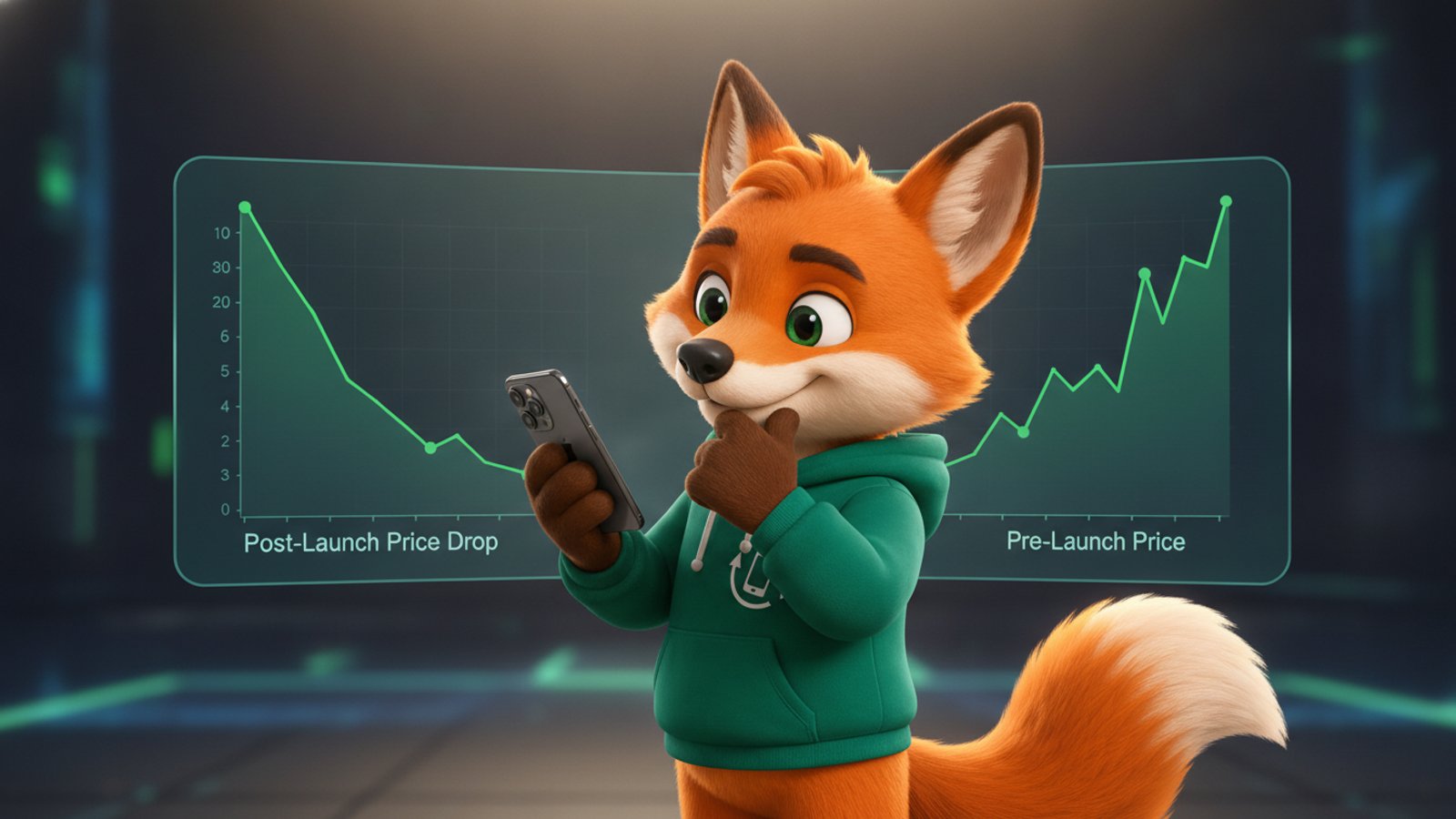
- New Model Releases: The launch of a new flagship phone (e.g., iPhone 18, Samsung Galaxy S27 in 2026) inevitably causes the value of older models to drop. Selling your phone a few weeks before a major announcement can often secure a better price.
- Economic Climate: Broader economic factors can influence demand for refurbished devices. In times of economic uncertainty, more consumers might opt for a cheaper refurbished phone over a brand new one, potentially stabilising buyback prices for certain models.
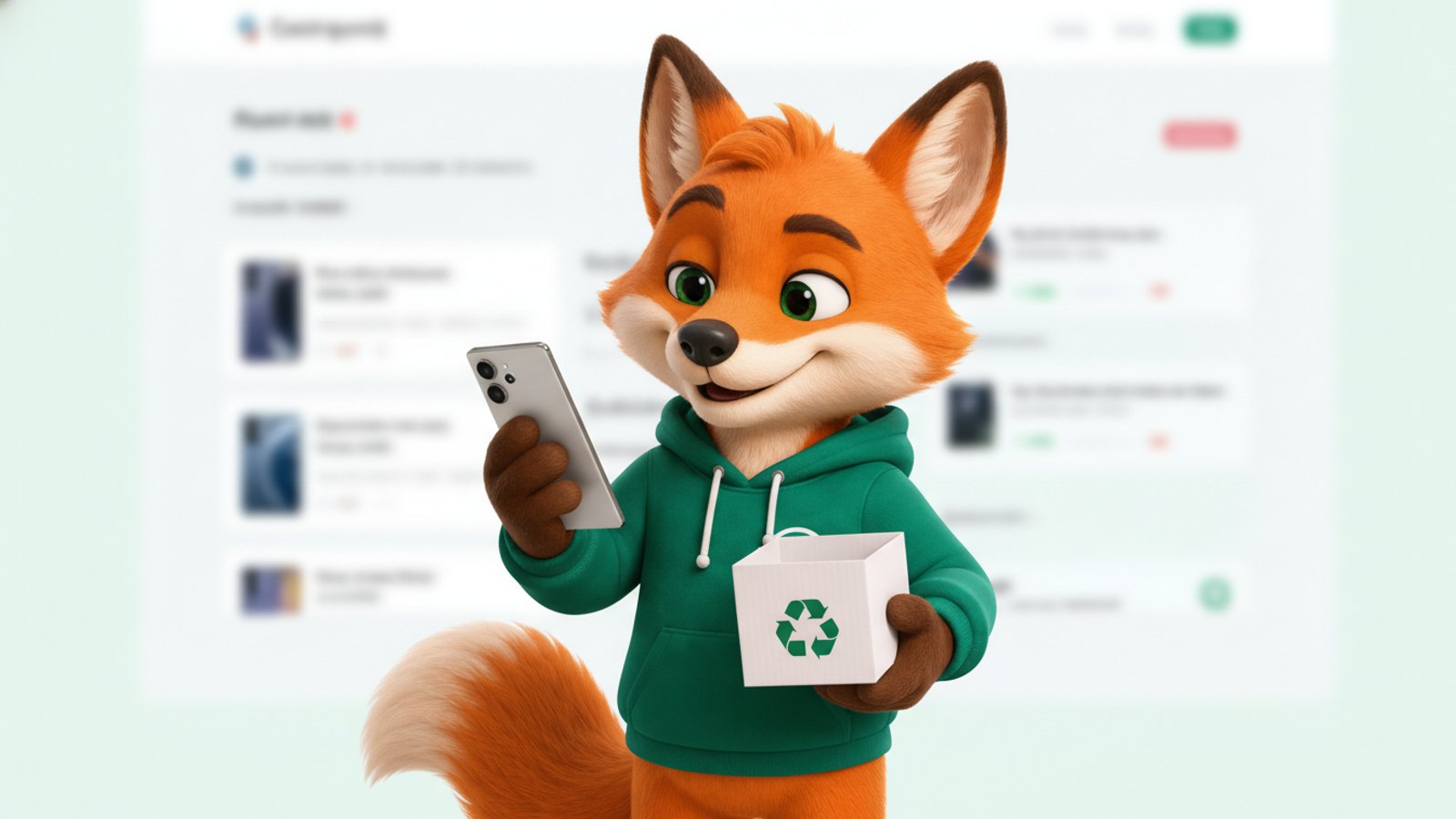
- Sustainability Focus: As environmental awareness grows, the demand for refurbished and recycled electronics is increasing. This trend supports the buyback market, making it a viable option for consumers and a consistent source for recyclers.
5. Country and Regional Differences Across Europe
While the European Union aims for a single market, significant price variations exist for mobile buyback across different countries, including the UK.
- Local Demand: Consumer preferences and purchasing power vary. A model highly sought after in Germany might be less popular in Spain, impacting local buyback offers.
- VAT and Taxes: Different tax structures can influence the final offer price from recyclers operating in various European nations.
- Shipping and Logistics: Recyclers often factor in shipping costs and the ease of logistics when making offers, especially if they operate internationally.
- Currency Fluctuations: Exchange rates (e.g., GBP to EUR) can affect cross-border comparisons.
This is precisely where a dedicated price comparison service becomes invaluable. A platform like ours allows you to compare buyback offers from multiple recyclers across different European countries, helping you identify the best deal, whether it's local or international.
6. Recycler Policies and Business Models
Not all recyclers are created equal. Their business models, target markets, and overheads influence the prices they can offer.
- Refurbishment vs. Parts: Some recyclers specialise in refurbishing phones for resale, while others primarily dismantle devices for parts. Those focused on refurbishment can often offer more for fully functional devices.
- Profit Margins: Each company has different profit margin requirements, which directly impacts the buyback price they can afford to pay.
- Promotions: Some recyclers run special promotions or offer bonus payments for specific models at certain times.
Maximising Your Buyback Price: Practical Steps
Now that you understand the factors, here's how to ensure you get the best possible price for your used mobile:
- Thoroughly Clean Your Device: Wipe down the screen and casing. Remove any dirt or grime from ports.
- Back Up Your Data: Before anything else, back up all your photos, contacts, and apps.
- Factory Reset: Perform a full factory reset to erase all personal data. Ensure you remove any associated accounts (e.g., iCloud, Google account) to prevent activation locks.
- Unlock Your Phone: If your phone is locked to a specific network, getting it unlocked can significantly increase its value and the number of recyclers willing to buy it.
- Gather Accessories: While not always required, having the original box, charger, and cables in good condition can sometimes add a small premium or make your offer more attractive.
- Be Honest About Condition: Accurately describe your phone's condition to avoid frustrating price adjustments later.
- Compare Offers: This is the single most important step. Use a reliable buyback price comparator. Instead of checking individual recycler websites one by one, a platform like rachat-telephone.com (QuizzBuy) allows you to enter your phone's details once and instantly see offers from multiple trusted recyclers across the UK and Europe. This transparency ensures you don't leave money on the table.
- Act Swiftly: Mobile phone values depreciate over time. Once you have a satisfactory offer, complete the sale promptly.
Conclusion: Empowering Your Sale
Selling your used mobile phone doesn't have to be a guessing game. By understanding the key factors that influence buyback prices – from the specifics of your device's model and condition to broader market trends and regional nuances – you can approach the process with confidence. In the competitive European market of 2026, informed decisions are your best asset.
Remember, the goal is to find the best price without unnecessary hassle. Our buyback price comparator is designed precisely for this purpose, offering you a clear, comprehensive overview of the market. Take advantage of it to ensure your old phone gets the value it deserves, contributing to a more sustainable future while putting money back in your pocket.