Each autumn, the tech world holds its breath for Apple's annual keynote, where the latest iPhone models are unveiled. While this event sparks excitement for new features and cutting-edge technology, it also marks a critical turning point for the value of existing iPhones. For many owners in the UK and across Europe looking to sell their used device, understanding this depreciation is key to getting the best possible price.
So, which iPhones feel the pinch the most after a new generation arrives? And what can you do to minimise the impact when it's time to sell?
The Apple Keynote Ripple Effect on iPhone Value
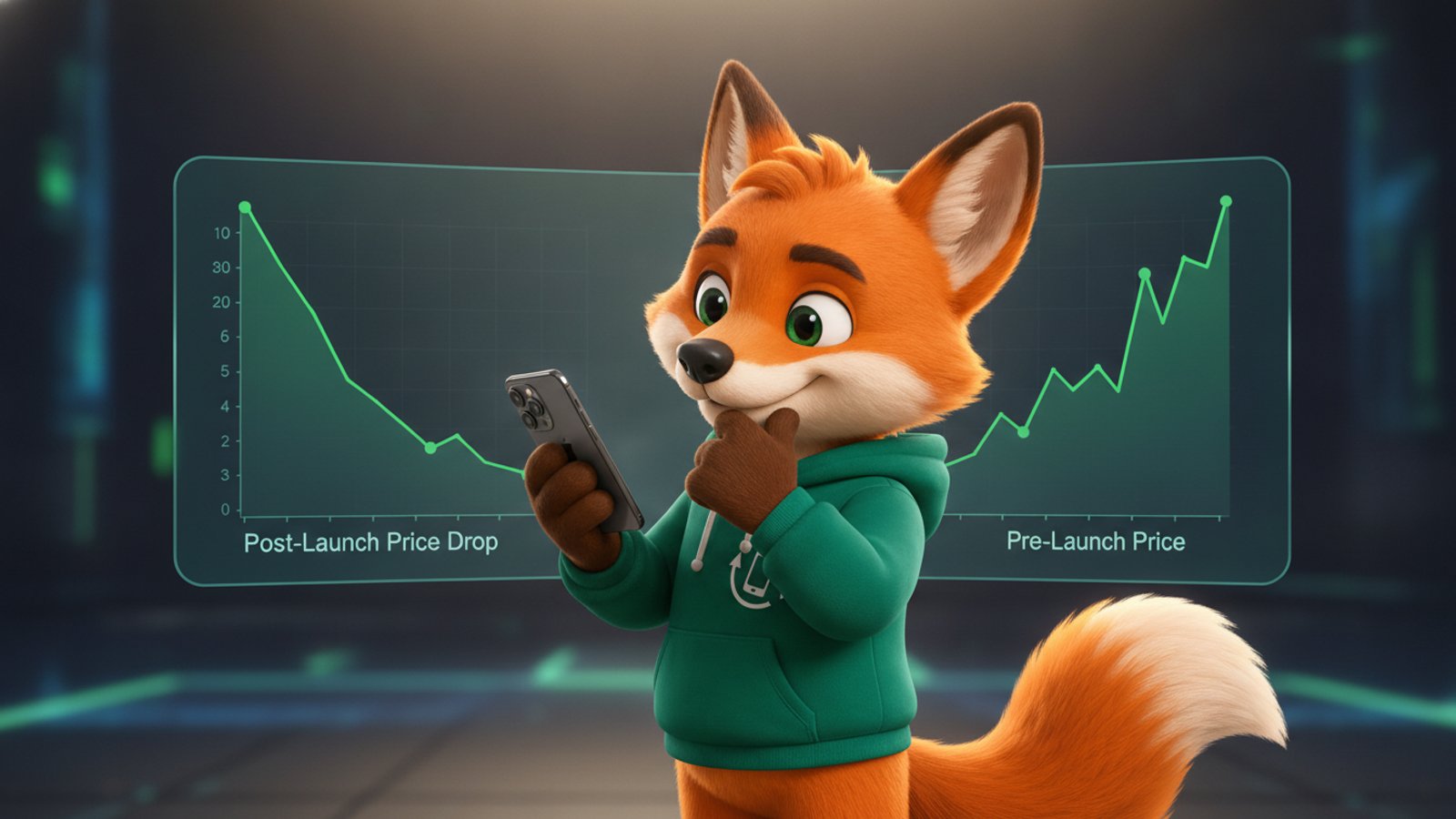
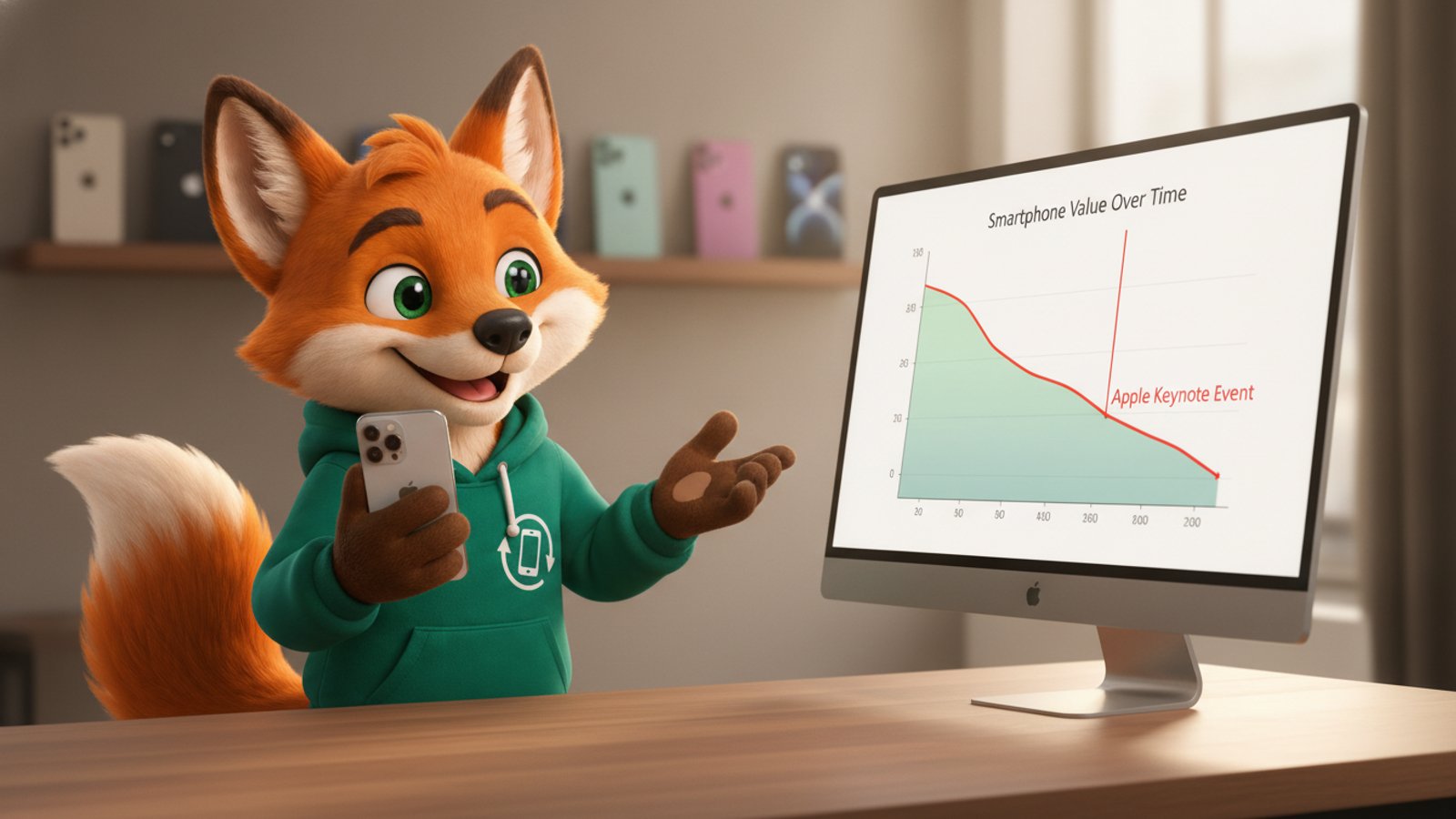
The moment Tim Cook finishes his presentation, a subtle but powerful shift occurs in the secondhand phone market. New iPhones flood the market, increasing supply, while the perceived obsolescence of older models accelerates. This combination drives down demand and, consequently, prices for used devices.
Recyclers and buyback companies adjust their offers almost immediately to reflect the new market reality. This isn't just about the 'newness' factor; it's also about technological advancements. Features once exclusive to Pro models often trickle down to standard models, or even previous-generation devices, making older tech seem less premium.
Which iPhone Models Bear the Brunt of Depreciation?
The "Pro" vs. Standard Divide
Initially, it might seem that the more expensive Pro models have further to fall, and in terms of raw monetary value, this is often true. An iPhone 14 Pro Max, for instance, might lose a larger absolute sum than an iPhone 14 after a new keynote simply because its starting price was higher. However, in percentage terms, the picture can be more nuanced.
High-end Pro models often retain a slightly better *percentage* of their value for longer due to their superior features (e.g., better cameras, ProMotion display, LiDAR scanner). But their larger initial price means the cash loss is still significant.
The Age Factor: Newer vs. Older Generations
The most dramatic percentage drops are often seen in iPhones that are two to three generations old. These devices are typically still fully functional but are now several steps behind the cutting edge. For example, when the iPhone 15 series launched, the iPhone 13 and iPhone 12 series saw substantial price adjustments.
Newer models (1-2 years old) also depreciate, but perhaps not as sharply in percentage terms as the older ones. The iPhone 14, for instance, would still be considered relatively modern after the iPhone 15 launch, but its value would certainly drop. iPhones older than three generations (e.g., iPhone X, iPhone 11 when the 15 launched) generally have less value to lose in the first place, so while they still depreciate, the monetary impact is less acute.
| iPhone Generation | Typical % Value Drop Impact | Monetary Value Drop Impact | Key Factors |
|---|---|---|---|
| Latest Pro (1 year old) | Moderate (15-25%) | Significant (High initial value) | Still premium, but no longer 'newest' |
| Latest Standard (1 year old) | Moderate to High (20-30%) | Substantial | Often replaced by previous Pro features |
| Two Generations Old | High (25-40%) | Noticeable | Further behind new tech, losing software support soon |
| Three+ Generations Old | Very High (35-50%+) | Moderate (Low baseline value) | Approaching end-of-life for software updates |
Timing is Everything: When to Sell Your iPhone
The timing of your sale is perhaps the single most crucial factor in determining how much you'll get for your used iPhone. Generally, the sweet spot for selling is a few weeks to a month *before* the new models are announced.
Selling Before the Keynote
- Higher Value: You capitalise on the current market value before it drops.
- Predictability: Prices are more stable before new models shake things up.
- Smooth Transition: You can sell your old phone and use the funds towards your new device.
Selling After the Keynote
- Lower Value: Prices drop almost instantly and continue to decline.
- Increased Competition: More people are selling, potentially driving prices down further.
- Buyer's Market: Recyclers have more leverage due to increased supply.
Maximising Your iPhone's Buyback Value
Condition is King
No matter the model or the timing, the physical and functional condition of your iPhone is paramount. Recyclers categorise phones into grades like 'Like New,' 'Good,' 'Fair,' or 'Damaged.' An iPhone in 'Like New' condition (no scratches, fully functional) can fetch significantly more than one with visible wear and tear or minor faults.
Be honest when assessing your phone's condition. Mismatched descriptions can lead to revised, lower offers from recyclers, causing delays and frustration.
Original Accessories and Packaging
While not always a deal-breaker, including original accessories (charger, cable, earphones if applicable) and the original box can add a small premium to your offer, especially for newer models. It shows care and completeness, making your device more appealing for resale.
- Back Up Your Data: Ensure all your photos, contacts, and apps are safely stored on iCloud or another service.
- Wipe Your Device: Perform a factory reset to erase all personal data and restore the phone to its original settings. This is crucial for your privacy.
- Unlock Your Phone: Ensure your iPhone is unlocked from any network carrier. Locked phones have significantly lower buyback values.
- Clean It Thoroughly: A clean phone (screen, ports, case) presents better and can leave a positive impression.
- Remove SIM Card: Don't forget to take out your SIM card before shipping!
The Smart Way to Sell: Using a Price Comparator
With dozens of buyback companies operating across the UK and Europe, comparing offers can be a tedious task. This is where a dedicated price comparator like rachat-telephone.com comes in. We aggregate offers from multiple trusted recyclers, allowing you to instantly see who's offering the most for your specific iPhone model and condition.
Our platform helps you:
- Save Time: No need to visit multiple websites.
- Get the Best Price: Instantly identify the highest offer available.
- Compare Transparently: See terms, payment methods, and shipping details from various buyers side-by-side.
- Sell with Confidence: We partner with reputable recyclers, ensuring a smooth and secure transaction.
Frequently Asked Questions
How much value does an iPhone lose after a keynote?
The value drop varies significantly by model and age, but you can expect a depreciation of 15-50% in the immediate weeks and months following a major Apple keynote, with older models experiencing higher percentage drops.
Is it better to sell my iPhone before or after the new models are announced?
It is almost always better to sell your iPhone a few weeks to a month *before* the new models are officially announced. This allows you to secure the highest possible buyback price before the market adjusts.
Does the condition of my iPhone really affect its buyback price?
Absolutely. The condition of your iPhone is a major factor. A device in 'Like New' condition can fetch significantly more than one with visible scratches, dents, or functional issues. Always be honest about its state to avoid revised offers.
Can I sell an iPhone that is damaged?
Yes, many recyclers do accept damaged iPhones, but the buyback price will be considerably lower. The extent of the damage (e.g., cracked screen, water damage, non-functional components) will determine the offer. Use a comparator to find recyclers who specialise in damaged devices.
Why should I use a buyback price comparator?
A buyback price comparator like rachat-telephone.com streamlines the selling process by instantly showing you the best offers from multiple trusted recyclers. This ensures you get the highest possible price for your device without having to manually check countless individual websites, saving you time and effort.